



by the Brightmine Editorial Team
Employers frequently hold meetings to communicate essential information – ranging from job duties and safety protocols to organizational goals – to employees. Attendance at these meetings is often mandatory. However, when the primary purpose of a meeting is to express the employer’s views on political or religious matters, it may fall under the category of a “captive audience” meeting.
“Political matters” often include union-related communications, such as decisions to join or support a labor organization, and these meetings are often held during union organizing campaigns.
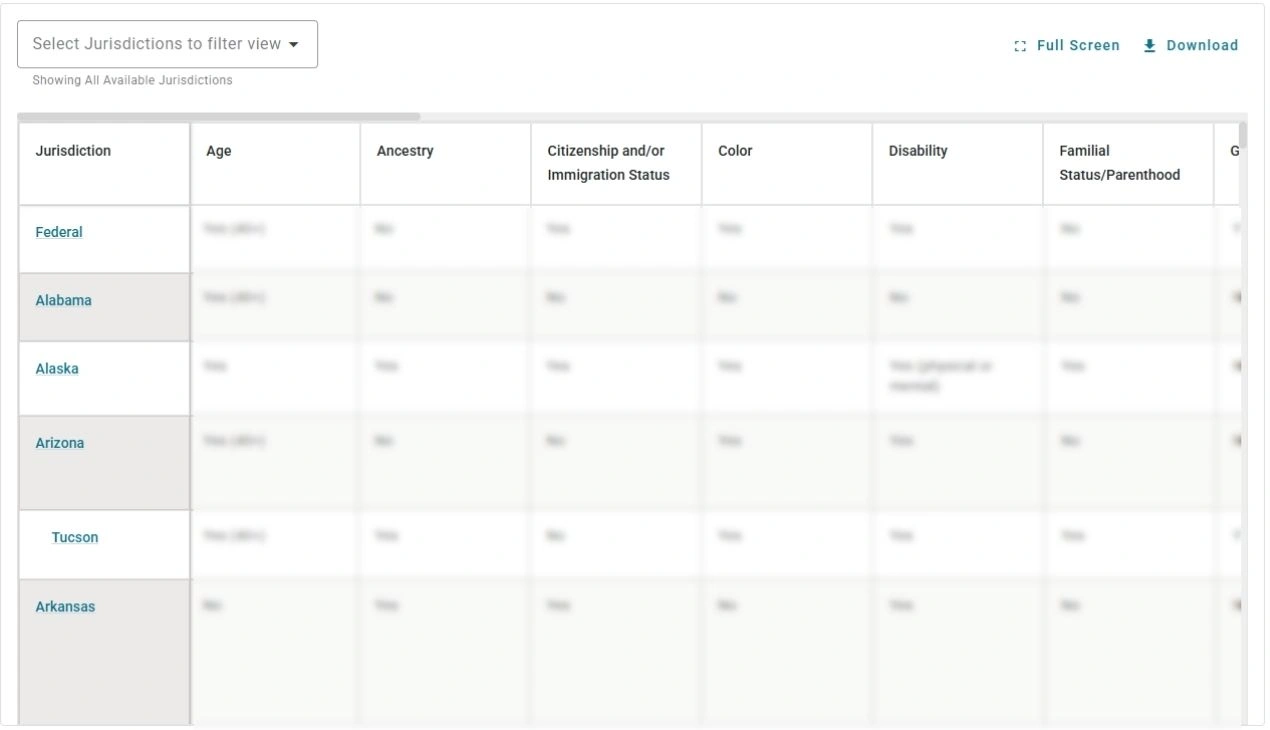
This 50-state chart provides a comparative overview of laws regulating captive audience meetings. The chart includes:
- Required Notice: Requirements for notifications that employers must provide to employees.
- Prohibitions: Employer behaviors that are regulated or prohibited.
- Definitions: How states define “political matters” and, where applicable, “religious matters.”
- Exceptions: Statutory carve-outs that permit certain communications or limit the scope of restrictions.
Want to see more?
For full access to our 50 State Chart:
Captive audience meetings by state
, sign up for an HR and Compliance Center subscription today.
You may also be interested in…

The Great Disconnect: When workplace decisions erode employee trust
Employee trust erodes when policy, reward and manager guidance send conflicting signals. Learn how the Great Disconnect creates …
Employee disengagement at work: How HR can push back against “quiet quitting”
Employee disengagement is often hard to spot until it starts affecting performance, morale and retention. This article looks …
How to prepare and continue business operations during a strike
Strikes can disrupt business operations, but employers often receive advance notice; this How To outlines key steps for …
About the author

The Brightmine Editorial Team
Our in-house team of HR experts carefully monitors and updates the Brightmine HR & Compliance Center, the most comprehensive library of employment law and HR resources. This team has an unrivaled wealth of subject matter expertise, with an average of 15 years’ experience. They also bring invaluable, diverse career experiences to the table—the team includes seasoned employment law attorneys, former in-house counsel, SHRM certified professionals and career employment law editors.
In addition to managing the HR & Compliance Center, the Editorial Team supports the content across the Brightmine product portfolio. The Team also supports Marketing Resource Center with breaking HR news, Commentary and Insights, and expert review of key compliance resources, such as our free charts.