



by the Brightmine Editorial Team
In addition to paying regular wages to employees, employers often make other types of payments to employees that are considered supplemental wages. Supplemental wages include the following payments:
- Tips;
- Bonuses;
- Back pay;
- Commissions;
- Overtime;
- Noncash fringe benefits;
- Sick pay paid by a third party as the employer’s agent;
- Income related to the exercise of non-statutory stock options;
- Severance pay;
- Awards and prizes;
- Retroactive pay increases;
- Nondeductible moving expenses; and
- Expense allowances paid under a nonaccountable plan.
Supplemental wages are subject to special federal and state income tax withholding rules. For both federal and state income tax purposes, the withholding method usually depends on whether the supplemental wages are paid with, or separately from, an employee’s regular wages. For federal purposes, withholding also varies depending on whether the amount of the supplemental wages is $1 million or less, or more than $1 million.
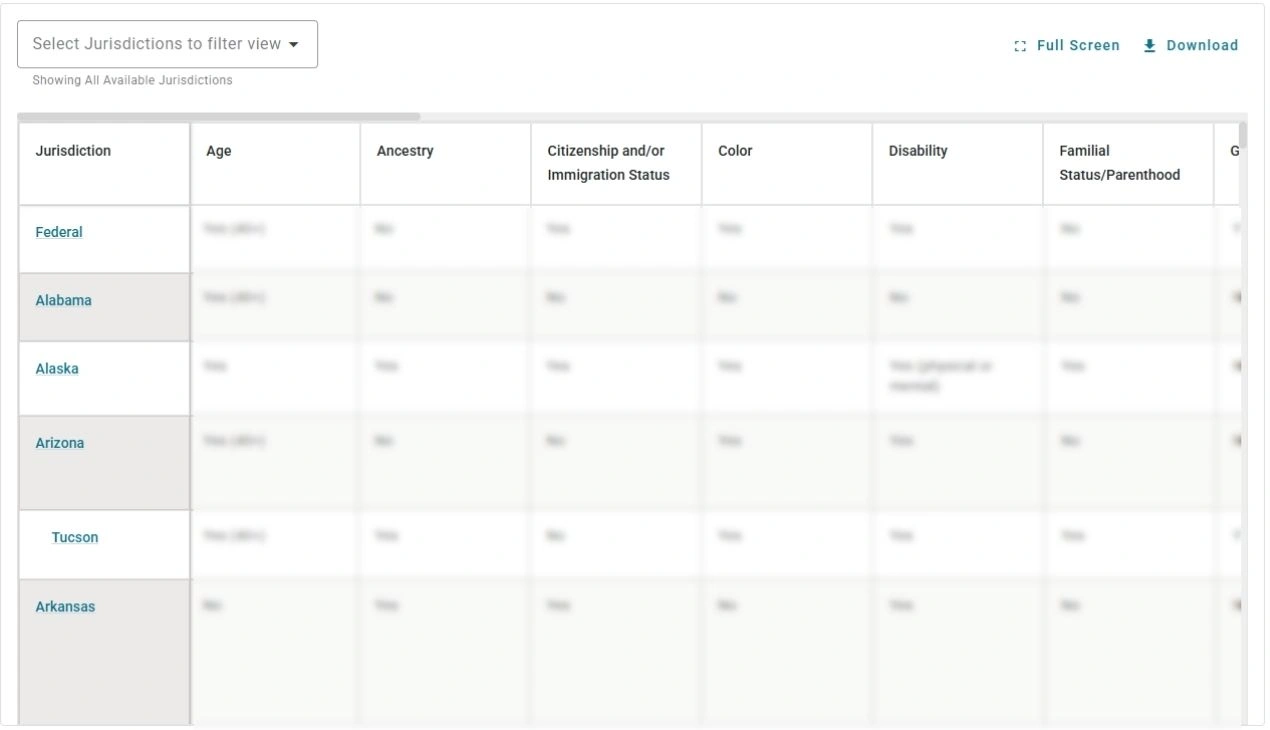
The following chart provides employers with an overview of the current federal and state methods for withholding income taxes from supplemental wage payments made to employees. States that do not have an income tax are marked “N/A”.
Want to see more?
For full access to our 50 State Chart:
Taxation of supplemental wages by state
, sign up for an HR and Compliance Center subscription today.
You may also be interested in…

Taxation of key fringe and retirement benefits by state
Find state-by-state taxation rules for fringe benefits, 401(k) contributions, cafeteria plans and other employee benefits.
Internal revenue code conformity by state
Understand how each state aligns with the Internal Revenue Code and what HR teams must know to reduce …
Taxation of employee benefits: Federal
This guide provides HR and payroll professionals with guidance on how to structure and report employee health, retirement …
About the author

The Brightmine Editorial Team
Our in-house team of HR experts carefully monitors and updates the Brightmine HR & Compliance Center, the most comprehensive library of employment law and HR resources. This team has an unrivaled wealth of subject matter expertise, with an average of 15 years’ experience. They also bring invaluable, diverse career experiences to the table—the team includes seasoned employment law attorneys, former in-house counsel, SHRM certified professionals and career employment law editors.
In addition to managing the HR & Compliance Center, the Editorial Team supports the content across the Brightmine product portfolio. The Team also supports Marketing Resource Center with breaking HR news, Commentary and Insights, and expert review of key compliance resources, such as our free charts.