



by the Brightmine Editorial Team
Payroll debit cards (also sometimes called paycards) may be used to pay employees’ wages electronically. A payroll debit card is a type of debit card onto which an employee’s net wages are loaded by an employer. Federal Regulation E sets the overall rules and minimum standards an employer must follow when offering payroll debit cards and other types of electronic methods of wage payment to employees (e.g., direct deposit).
Most states have adopted Regulation E’s provisions into their wage payment laws. But many states provide even greater protections to employees than Regulation E, such as requiring that the employer assume liability for any fees it did not disclose to employees.
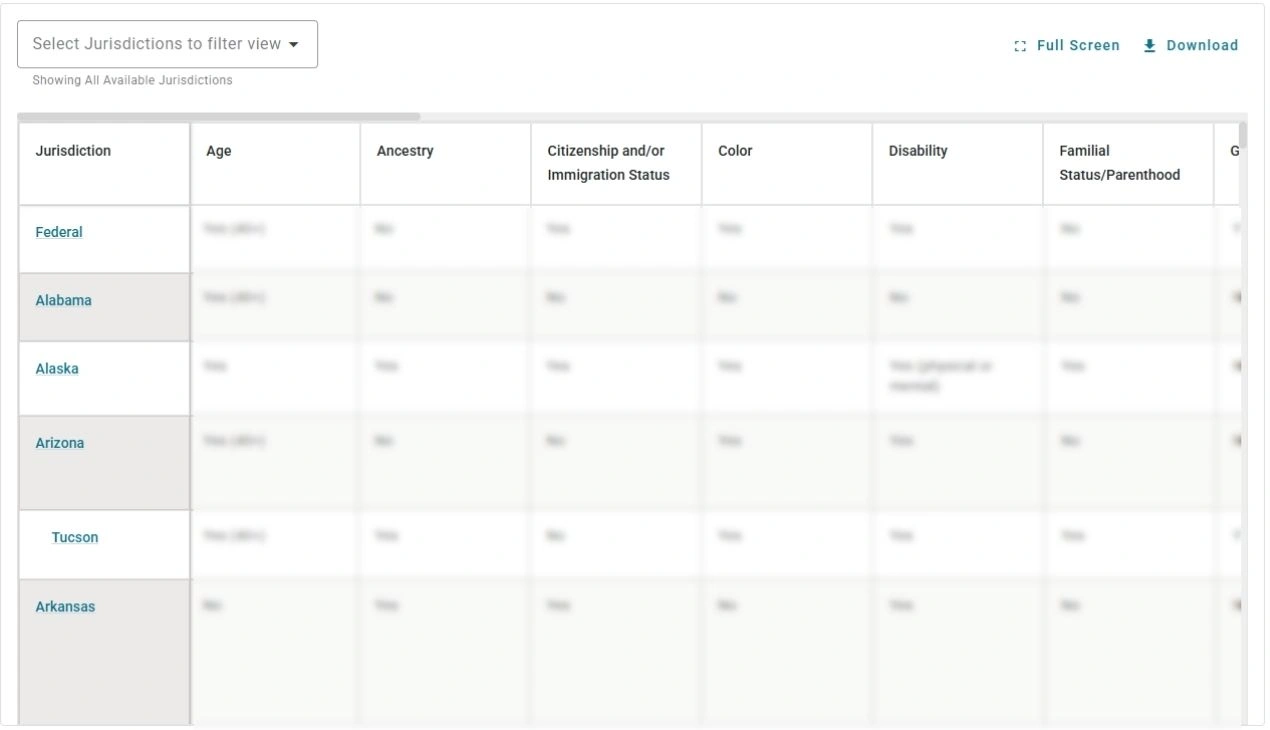
The following chart summarizes state and municipal requirements regarding wage payment by payroll debit card and the penalties applicable to an employer that fails to comply with the law. Cells marked with “N/A” signify that the jurisdiction does not have a payroll debit card law or, in jurisdictions that do have a law, there is no provision on the particular issue.
Want to see more?
For full access to our 50 State Chart:
Payroll debit card laws by state and municipality
, sign up for an HR and Compliance Center subscription today.
You may also be interested in…

Taxation of key fringe and retirement benefits by state
Find state-by-state taxation rules for fringe benefits, 401(k) contributions, cafeteria plans and other employee benefits.
The pay confidence gap: The human risk hiding in your decisions
Employees do not need perfect pay decisions, but they do need confidence that those decisions are fair. Learn …
Managing paid time off across states: Compliance strategies for HR
Join attorneys Joshua Seidman, Christine Costantino, and Renate Walker for a 60-minute webinar exploring the evolving challenges of …
About the author

The Brightmine Editorial Team
Our in-house team of HR experts carefully monitors and updates the Brightmine HR & Compliance Center, the most comprehensive library of employment law and HR resources. This team has an unrivaled wealth of subject matter expertise, with an average of 15 years’ experience. They also bring invaluable, diverse career experiences to the table—the team includes seasoned employment law attorneys, former in-house counsel, SHRM certified professionals and career employment law editors.
In addition to managing the HR & Compliance Center, the Editorial Team supports the content across the Brightmine product portfolio. The Team also supports Marketing Resource Center with breaking HR news, Commentary and Insights, and expert review of key compliance resources, such as our free charts.